Packaging irregularly shaped products can be challenging for manufacturers, wholesalers, and distributors. Unlike standard rectangular items, products with uneven edges, protruding parts, sharp corners, or unusual dimensions require carefully selected packaging materials.
PE bags (polyethylene bags) are widely used for protecting irregularly shaped products because they offer flexibility, moisture resistance, and customizable dimensions. However, choosing the right PE bag requires more than simply selecting a suitable size.
This guide explains the key factors businesses should consider when sourcing PE bags for irregularly shaped products.
The first step is to evaluate the actual shape and dimensions of the product.
Irregularly shaped products may include furniture components, foam products, automotive parts, industrial accessories, and household items.
Before ordering PE bags, consider:
Overall dimensions: Measure the maximum length, width, and height of the product.
Protruding sections: Identify parts that extend beyond the main product body.
Sharp edges and corners: Check areas that may create additional stress on the film.
Product weight: Heavier products may require stronger film materials.
Packaging method: Determine whether products will be packed manually or by automatic equipment.
Accurate measurements help manufacturers recommend suitable bag dimensions and reduce unnecessary material consumption.
Film thickness directly affects the strength, flexibility, and durability of PE bags.
For irregularly shaped products, insufficient thickness may increase the risk of tearing or puncturing during handling and transportation.
When selecting PE film thickness, consider:
Product weight and loading conditions
Surface characteristics and edge pressure
Handling frequency
Transportation distance
Storage and stacking requirements
Thicker film may provide additional protection, but it is not always necessary. The best option is to balance material strength, packaging performance, and purchasing cost.
A professional PE film manufacturer can help evaluate the required thickness based on the actual product and application.
Different polyethylene materials offer different performance characteristics.
LDPE (Low-Density Polyethylene)
LDPE is flexible, soft, and easy to process. It is suitable for products with uneven surfaces that require adaptable packaging.
LLDPE (Linear Low-Density Polyethylene)
LLDPE offers good tensile strength and puncture resistance. It is useful for packaging products with heavier loads or more demanding handling requirements.
HDPE (High-Density Polyethylene)
HDPE provides relatively high stiffness and strength. It is commonly used for applications where a firmer film structure is preferred.
The material selection should depend on the product's physical characteristics and packaging requirements. In some applications, combining different PE materials can help achieve a better balance between flexibility and strength.
Standard PE bags may not fit products with unusual shapes or oversized dimensions.
Customized PE bags allow manufacturers to adjust the bag structure according to the product's specific requirements.
Common customization options include:
Custom length and width
Different film thicknesses
Gusseted designs for bulky products
Flat bags for simple product shapes
Tubular film for flexible packaging operations
Custom printing for product identification and branding
For bulky products such as furniture components and foam products, gusseted PE bags can provide additional space and improve packaging convenience.
Choosing a suitable bag structure helps reduce excess material while ensuring adequate product coverage.
Products with sharp corners, metal components, or uneven surfaces can create concentrated pressure on PE film.
Therefore, puncture resistance should be an important consideration when selecting PE bags.
Businesses should evaluate:
Film tensile strength
Elongation performance
Tear resistance
Puncture resistance
Resistance to damage during transportation
For products with particularly sharp edges, additional protective materials or reinforced packaging designs may be necessary.
Testing the selected PE bags with actual products is an effective way to verify their suitability before placing large-volume orders.
The packaging method also influences bag selection.
For manual packing, flexible PE bags with convenient openings may improve handling efficiency.
For automated production lines, bag dimensions, film thickness, sealing performance, and material consistency should match the equipment specifications.
Manufacturers should communicate their packaging equipment requirements when requesting customized PE bags.
Proper coordination between bag design and packing equipment helps reduce production interruptions and improve packaging consistency.
Selecting the right supplier is just as important as selecting the right packaging material.
For B2B buyers, a reliable PE bag manufacturer should provide:
Consistent film quality
Customized sizes and thicknesses
Stable production capacity
Material and application recommendations
Bulk order support
Clear production and delivery schedules
Working directly with an experienced manufacturer also makes it easier to adjust specifications when product designs or packaging requirements change.
To receive an accurate quotation for customized PE bags, buyers should prepare the following information:
| Specification | Information Required |
|---|---|
| Product type | What product will be packed? |
| Product dimensions | Length, width, and height |
| Bag dimensions | Required bag length and width |
| Film thickness | Required thickness in microns |
| Material | LDPE, LLDPE, HDPE, or a blend |
| Bag design | Flat bag, gusseted bag, or tubular film |
| Printing | Printed or unprinted |
| Order quantity | Estimated purchasing volume |
| Application | Manual or automatic packing |
Providing complete specifications helps manufacturers evaluate the requirements and recommend a suitable solution.
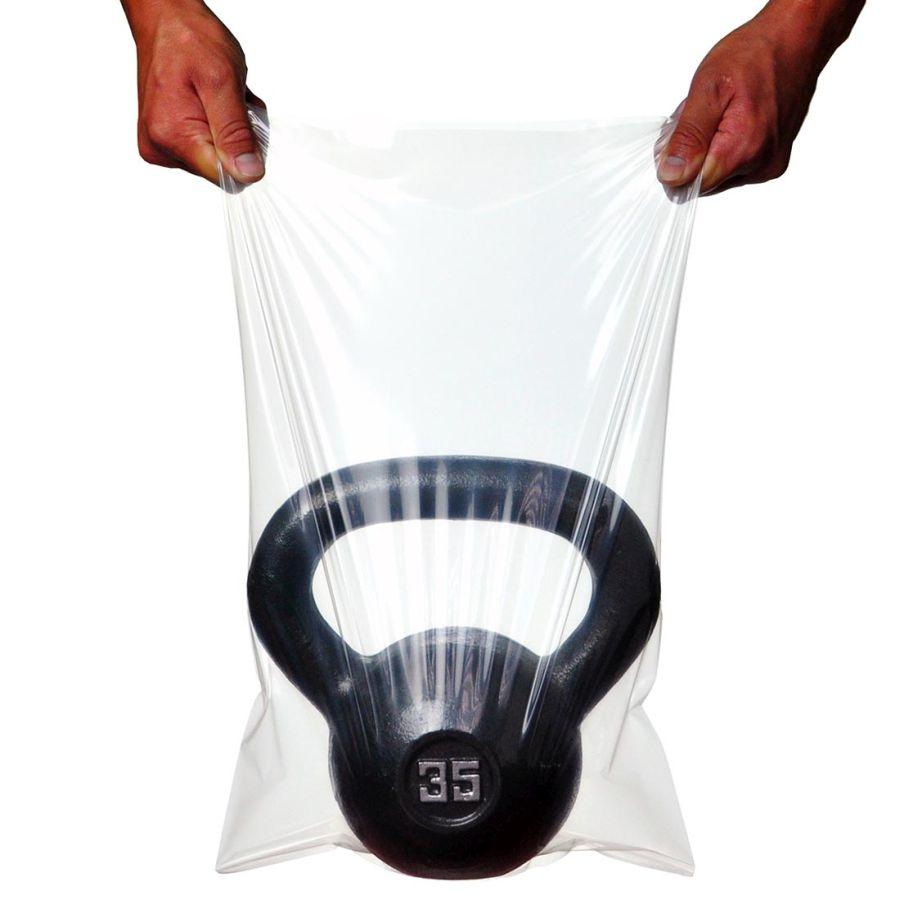
Choosing PE bags for irregularly shaped products requires careful consideration of product dimensions, film thickness, material properties, bag structure, and packaging methods.
LDPE offers flexibility, LLDPE provides a good balance of strength and flexibility, and HDPE is suitable for applications requiring a firmer film structure.
For manufacturers and bulk buyers, customized PE bags can improve product coverage, reduce unnecessary material use, and support more consistent packing operations.
NAIGU Films specializes in PE film and plastic bag manufacturing, providing customized solutions for different industrial and commercial applications. Contact our team to discuss your product dimensions, material requirements, and bulk order specifications.
Get in touch with NAIGU Films for customized PE bag solutions.