CATEGORIE

How to Plan Plastic Film Procurement for Seasonal Demand |NAIGU

Learn how to plan plastic film procurement for seasonal demand with practical tips on demand forecasting, inventory management, supplier lead times, and purchasing strategies.
Nov 13th,2026 0 Visualizzazioni
How to Plan Plastic Film Procurement for Seasonal Demand
Seasonal demand can significantly affect plastic film purchasing, production schedules, and inventory management. For manufacturers, distributors, agricultural businesses, and packaging companies, changes in seasonal demand may lead to fluctuations in material consumption and purchasing requirements.
Products such as agricultural film, mattress packing film, stretch film, PVC film, and industrial PE bags may experience different demand patterns throughout the year.
Without proper procurement planning, businesses may face material shortages during peak seasons, excess inventory during slower periods, or unexpected increases in purchasing costs.
A well-organized procurement strategy helps businesses maintain a stable supply of plastic film while controlling inventory and operating expenses.
Here are seven practical ways to plan plastic film procurement for seasonal demand.
1. Analyze Historical Purchasing and Consumption Data
The first step is understanding how your plastic film requirements change throughout the year.
Review purchasing records, production consumption, inventory levels, and customer orders from previous seasons.
Pay attention to:
  • Monthly plastic film consumption
  • Seasonal sales fluctuations
  • Peak production periods
  • Average supplier lead times
  • Previous stock shortages
  • Changes in customer purchasing behavior
For example, agricultural film demand may increase before planting seasons, while mattress and furniture manufacturers may adjust their PE film purchasing according to production schedules and export orders.
Historical data provides a useful starting point for estimating future demand.
2. Identify Seasonal Factors That Affect Film Demand
Different plastic film products are influenced by different seasonal factors.
Understanding these factors helps procurement teams prepare the right materials at the right time.
Agricultural Film
Agricultural film demand is often connected to planting schedules, growing seasons, and regional climate conditions. Buyers should consider local agricultural calendars and prepare materials before seasonal installation periods.
Mattress and Furniture Film
Mattress bags and furniture protective films are influenced by factory production plans, retail demand, and export schedules. Manufacturers may need additional film supplies before busy production or shipping periods.
Stretch Film
Stretch film is widely used for pallet wrapping, warehouse storage, and transportation. Demand may increase during periods of higher production, distribution, or seasonal shipping activity.
PVC and Industrial Film
PVC film and industrial PE film requirements depend on specific manufacturing applications, customer orders, and production cycles. Procurement planning should account for changes in factory operating schedules.
3. Forecast Demand Before the Peak Season
Waiting until demand increases before contacting suppliers can create unnecessary purchasing pressure.
Businesses should prepare procurement forecasts in advance using expected production volume, confirmed customer orders, and historical consumption.
A simple forecasting method is:
Estimated Procurement Quantity = Forecast Consumption + Safety Stock - Available Inventory
For example, suppose a mattress factory expects to consume 8,000 kg of PE packing film next month. It currently has 2,000 kg in stock and plans to maintain 1,500 kg as safety stock.
The estimated procurement quantity is:
8,000 + 1,500 - 2,000 = 7,500 kg
This calculation provides a starting point for purchasing decisions. Actual requirements should also consider incoming shipments, production changes, and supplier lead times.
4. Confirm Production Capacity and Lead Times with Suppliers
During peak seasons, plastic film manufacturers may receive more orders than usual.
Before placing an order, confirm:
  • Current production schedules
  • Available manufacturing capacity
  • Raw material availability
  • Sample approval requirements
  • Estimated production lead time
  • Shipping and delivery arrangements
For customized plastic film, additional preparation may be required for specific widths, thicknesses, colors, printing designs, or bag structures.
Buyers should allow sufficient time for specification confirmation, sample approval, production, and international transportation.
Working with suppliers before the peak season helps reduce last-minute purchasing pressure.
5. Maintain Appropriate Safety Stock
Safety stock helps businesses respond to unexpected changes in demand or delivery schedules.
However, excessive inventory can increase storage costs and tie up working capital.
When determining safety stock levels, consider:
  • Demand fluctuations
  • Supplier delivery reliability
  • Production lead time
  • Warehouse capacity
  • Product shelf-life and storage conditions
  • Availability of alternative suppliers
For frequently used PE packing film or industrial plastic bags, maintaining a reasonable reserve can help prevent production interruptions.
Storage conditions should also be considered. Plastic films should generally be kept in a clean, dry environment, away from excessive heat, direct sunlight, and potential physical damage.
6. Standardize Specifications to Improve Purchasing Efficiency
Seasonal procurement often involves larger order volumes and tighter delivery schedules.
Standardizing plastic film specifications can simplify communication and reduce purchasing errors.
Important specifications include:
Specification
Details to Confirm
Material
LDPE, LLDPE, HDPE, PVC, etc.
Thickness
Required micron or mil
Width
Film width or bag dimensions
Length
Roll length or roll weight
Color
Transparent, white, black, or custom
Printing
Unprinted or customized printing
Application
Mattress, furniture, agriculture, industrial packing
Quantity
Estimated monthly or seasonal demand
Keeping approved specifications and samples on record makes repeat orders easier to manage.
It also helps manufacturers prepare production more efficiently when seasonal purchasing volumes increase.
7. Build a Long-Term Procurement Plan with Your Manufacturer
A stable relationship with a reliable plastic film manufacturer can make seasonal procurement more predictable.
Instead of discussing every order separately, buyers can share estimated annual demand and expected peak purchasing periods.
This allows manufacturers to better understand purchasing patterns and prepare production resources.
Long-term cooperation may provide several advantages:
  • More efficient order planning
  • Consistent product specifications
  • Better communication about production schedules
  • Easier repeat ordering
  • Improved coordination of customized products
  • More predictable supply arrangements
Regular communication is especially important when demand forecasts change or additional orders are required.
Seasonal Plastic Film Procurement Checklist
Before entering a peak purchasing season, procurement teams should review the following items:
  • Review previous seasonal purchasing records

  • Estimate upcoming production and customer demand

  • Check current warehouse inventory

  • Calculate required purchasing quantities

  • Confirm product specifications with suppliers

  • Request updated quotations

  • Confirm production capacity and lead times

  • Arrange sample approval if necessary

  • Schedule orders and international shipments

  • Monitor inventory and adjust forecasts regularly
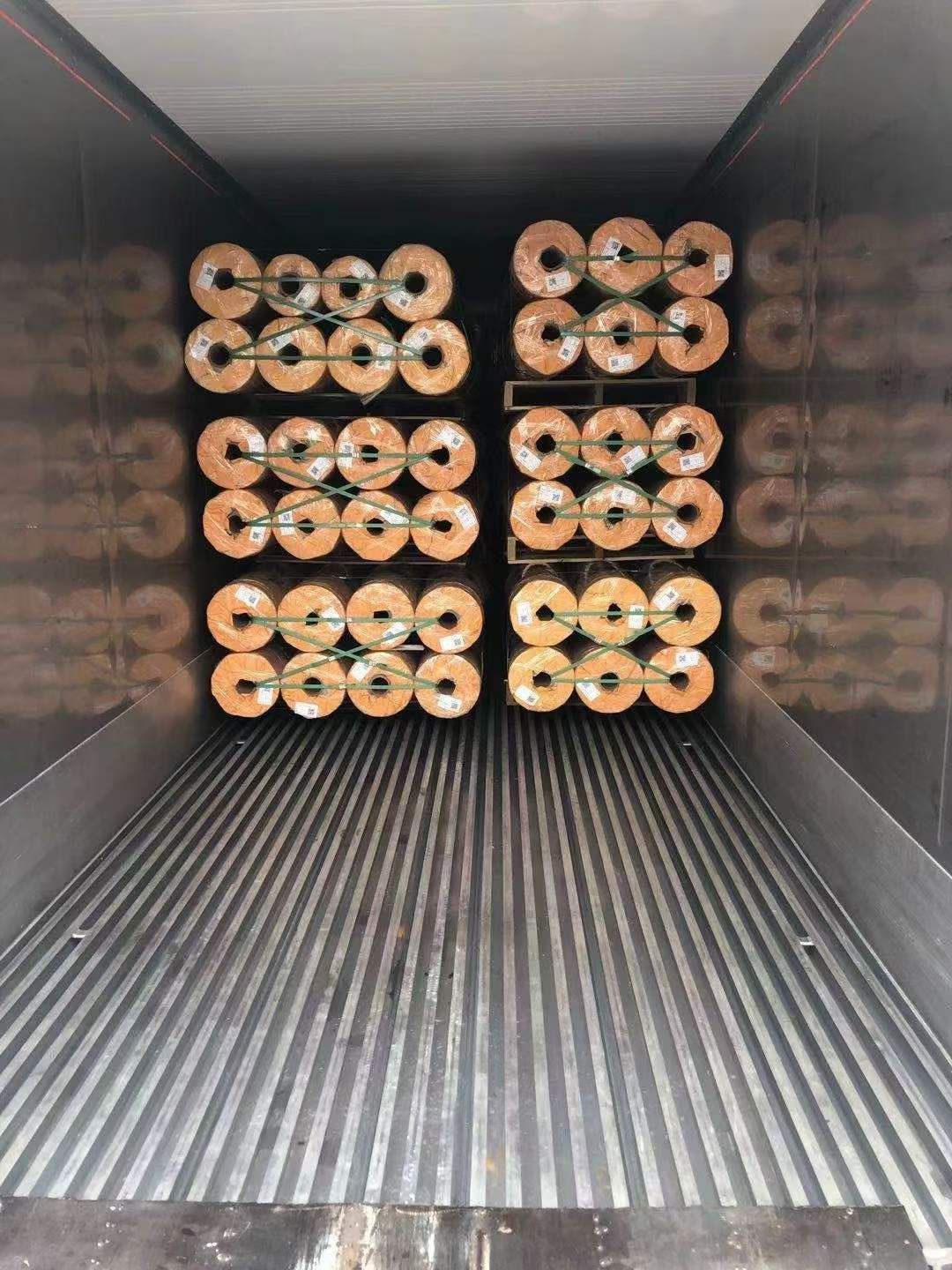
Following a consistent procurement process helps businesses reduce unexpected supply problems and improve inventory management.
Why Choose NAIGU Films for Your Plastic Film Supply?
NAIGU Films is a plastic film manufacturer established in 2009 in Foshan, Guangdong, China. With more than 15 years of experience in PE blown film and cast film production, we provide customized plastic film solutions for different industrial and commercial applications.
Our product range includes:
  • PE Packing Film
  • Stretch Film
  • Mattress and Furniture Film
  • PVC and Shrink Film
  • Printed Plastic Film
  • Agricultural Film
  • Custom PE Bags
  • Industrial and Dust-Proof Film
We understand that different industries have different purchasing cycles and product requirements. Our team works with customers to confirm film specifications, discuss customization needs, and coordinate manufacturing arrangements.
Whether you are preparing for agricultural seasons, increasing mattress production, or planning industrial packaging supplies, selecting suitable film products and arranging procurement in advance can help support your business operations.
Conclusion
Effective plastic film procurement planning requires more than responding to immediate purchasing needs. Businesses should analyze historical consumption, understand seasonal demand patterns, forecast future requirements, and coordinate production schedules with manufacturers.
By maintaining appropriate inventory, standardizing product specifications, and building reliable supplier relationships, procurement teams can improve supply stability and manage seasonal purchasing more efficiently.
Planning your next plastic film order?
Contact NAIGU Films to discuss your PE film, PVC film, stretch film, mattress film, or customized plastic bag requirements. Share your specifications and estimated purchasing volume, and our team will help you evaluate a suitable manufacturing solution.
📧 Email: jenney@gdnaimei.com
📱 WhatsApp/Phone: +86 13924835577
🌐 Website: https://naigufilms.com/

CONTACT US

Our English Staff is available 24 x 7. We will get back to you shortly.
Name *
Phone *
Email
Total weight (kg)
Message *
Company Name *
Clicca per verificare
Leave a message
Name *
Phone *
Email
Total weight (kg)
Message *
Company Name *
Clicca per verificare
We use Cookie to improve your online experience. By continuing browsing this website, we assume you agree our use of Cookie.